
Aviator and Slow Connections: Cash-Out Timing
Aviator is a crash game by Spribe that uses an increasing multiplier and a server-set crash point. The multiplier rises from the start of each round, and a player must cash out before the round crashes to receive a win.
A slow connection does not change the crash point, but it can delay the cash-out request. This guide explains the lighter Aviator 2.0 build, how latency affects the interface, and why the server must receive a cash-out before the crash.
How Aviator Works
Aviator rounds last about 8-30 seconds, and the game runs at about 60-90 rounds per hour. The server fixes the crash point before take-off, so the result exists before the multiplier begins to rise.
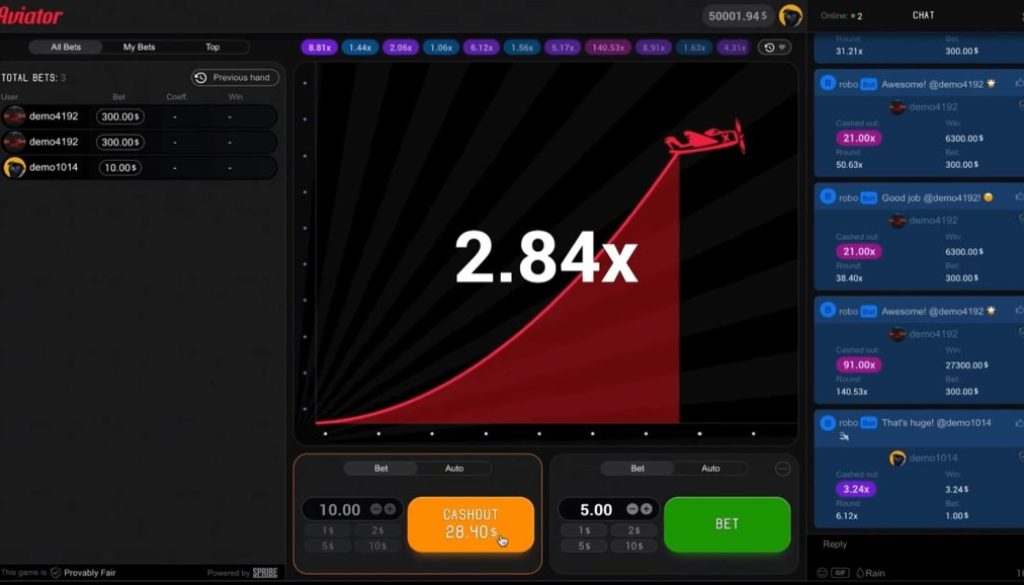
Aviator has two bet panels per round, and each panel can use a separate cash-out. The game also shows the round history, live bets, chat, and the Provably Fair badge inside the interface.
Spribe describes Aviator as a social multiplayer game consisting of an increasing curve that can crash anytime. It is a crash game, also called an instant game, rather than a slot, and it has no bonus round.
The multiplier continues to rise while the round is active. A player can choose a manual cash-out or set an Auto Cash-Out target before the round begins. The Auto Cash-Out setting sends the instruction through the same operator connection used by the game.
- The player places a stake in one of the two bet panels.
- The round starts and the multiplier increases.
- The player or an automatic setting sends a cash-out request.
- The server checks whether the request arrived before the crash.
- The result appears in the game interface.
The probability that a round reaches multiplier m is 0.97/m. That gives a 48.5% probability at 2x, a 19.4% probability at 5x, and a 9.7% probability at 10x.
| Multiplier target | Probability of reaching it | Connection meaning |
|---|---|---|
| 1.2x | 80.8% | The request still needs to reach the server |
| 1.5x | 64.7% | A short delay can matter near the target |
| 2x | 48.5% | More time exists, but latency remains relevant |
| 5x | 19.4% | The round has a lower chance of reaching the target |
| 10x | 9.7% | A long wait can end the round before the request arrives |
About 3% of rounds crash instantly at 1.00x, or roughly 1 in 33 rounds. The RTP is 97%, the house edge is 3%, and a strategy can change variance but not the mathematical edge.
Aviator 2.0 and Speed
Aviator 2.0 released on 15 August 2019 and was described as 40% faster than the earlier build. Spribe made the build lighter for slow connections and low-end phones.
Aviator 2.0 also introduced a redesigned mobile interface, chat with emojis and GIFs, and the Rain feature. The lighter build reduces the amount of work required from a device, but it cannot remove delays in the network route to the server.
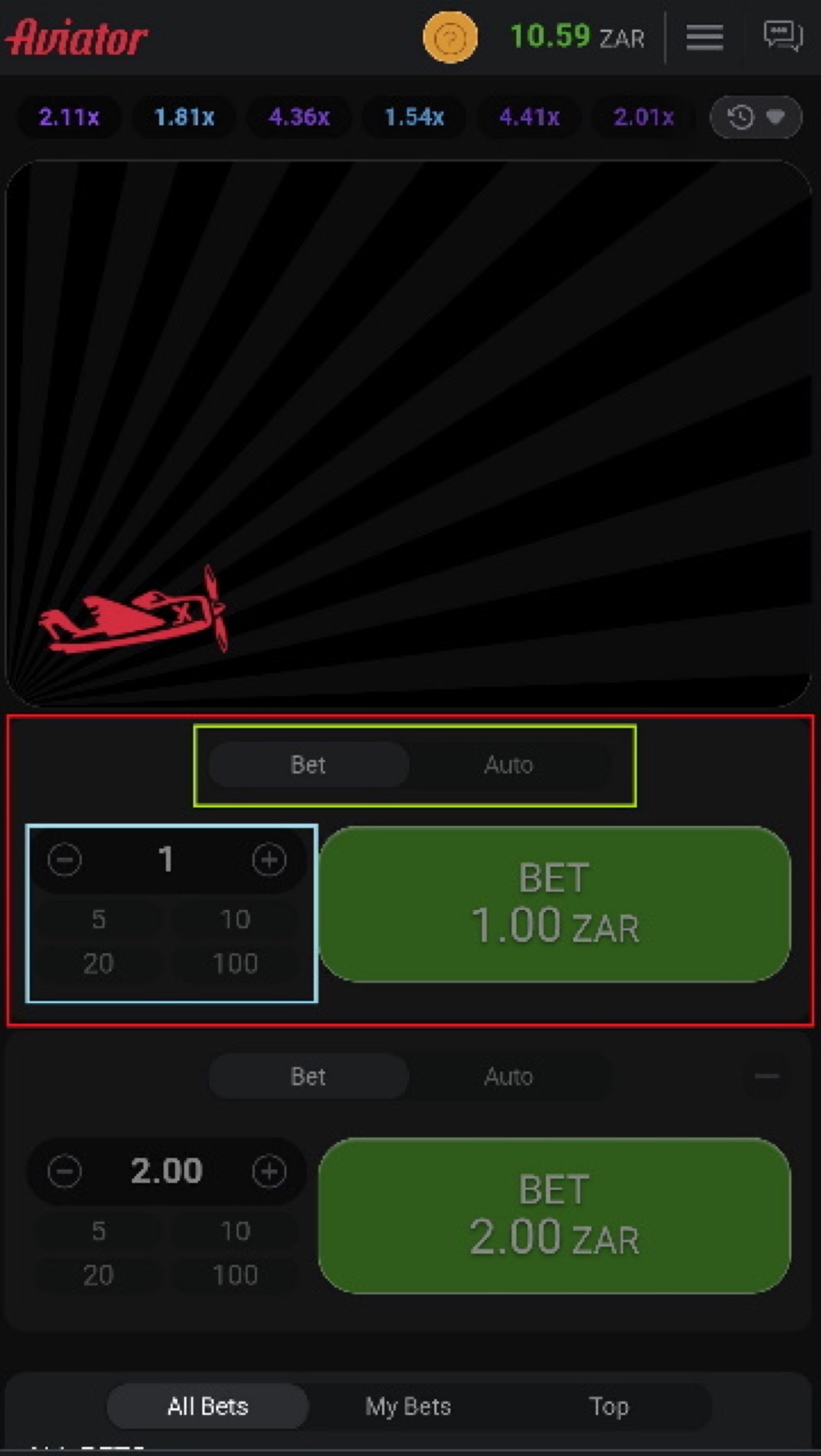
Aviator 2.0 was designed for mobile browsers, low bandwidth, and budget devices.
A low-end phone can spend time drawing the multiplier, buttons, chat, and bet information. A slow connection can spend time carrying those updates between the operator’s website and the server. These are separate limits, and either one can affect what the player sees.
What the lighter build changes
- It provides a lighter game experience for slow connections.
- It supports low-end phones and mobile browsers.
- It includes a redesigned mobile user interface.
- It keeps the two bet panels and their separate cash-outs.
- It does not move the crash calculation from the server to the phone.
The phone displays information received from the game service. It does not decide the crash point. Before each round, the server publishes a SHA-256 hash of the server seed, and player client seeds are combined with it.
The crash point is fixed before take-off. After the round, the inputs are revealed and can be checked with the verification tool inside the game. Neither Spribe nor the operator can change the result after the round starts.
This design also explains why a predictor cannot solve a slow connection. A Telegram signal bot, an application, or a calculator cannot know a future crash point from the visible multiplier. The hash process commits the result before the round, but it does not expose the result in a usable prediction.
Latency and Cash-Outs
A cash-out request must reach the server before the round crashes. A time-out can occur when latency or a slow device delays that request.
The displayed multiplier is not the same as the time at which the server receives a request. A phone may still show a moving multiplier while the cash-out message is travelling through the connection.
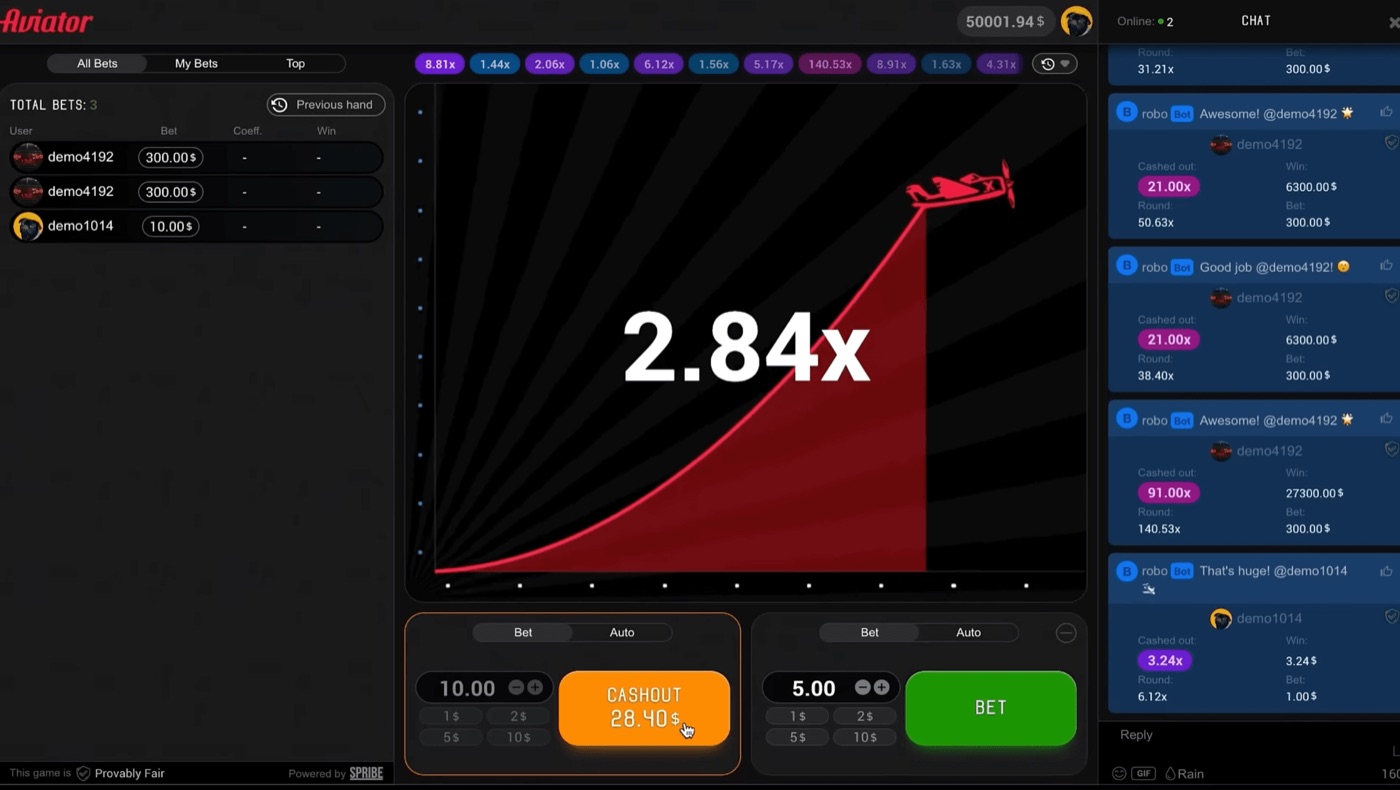
The interface combines live bets, chat, and cash-out information in one game view.
Suppose the screen shows 2.00x when the player taps Cash Out. The request may reach the server while the round is still active, or it may arrive after the crash. The server’s arrival time controls the result, not the time shown on the player’s screen.
Several delays can occur between the tap and the server response:
- The device may take time to respond to the tap.
- The browser may be busy updating the interface.
- The network may delay the outgoing request.
- The operator’s service may take time to process the request.
- The return message may arrive after the result has been decided.
A delayed return message does not always mean that the cash-out failed. The relevant event is whether the server accepted the request before the crash. The operator’s game record determines the outcome shown after processing.
Manual and automatic requests
Manual cash-out depends on the player’s tap and the connection at that moment. Auto Cash-Out uses a preset multiplier, but the instruction still has to be processed by the game service when the target is reached.
Auto Bet and Auto Play can cover 10-100 rounds and can include stop-on-win or stop-on-loss settings. These settings automate repeated instructions, but they do not guarantee that every request will be processed before a crash.
The two-bet layout can create two separate timing events. A player may cash out one bet at a lower target and leave the second bet active, but each cash-out request still depends on server processing.
For a crash game, a stable connection matters more than a fast-looking animation. A smooth screen does not prove that the cash-out request has already reached the server.
Low-Bandwidth Devices
Aviator works on desktop, tablet, and mobile browsers, and the game was built for low bandwidth and budget devices. Aviator 2.0 made the game lighter for slow connections and low-end phones.
A low-bandwidth connection carries fewer data units over a given period, so screen updates may arrive later. A budget device may also have limited processing capacity for the interface, chat, live bets, and round history.
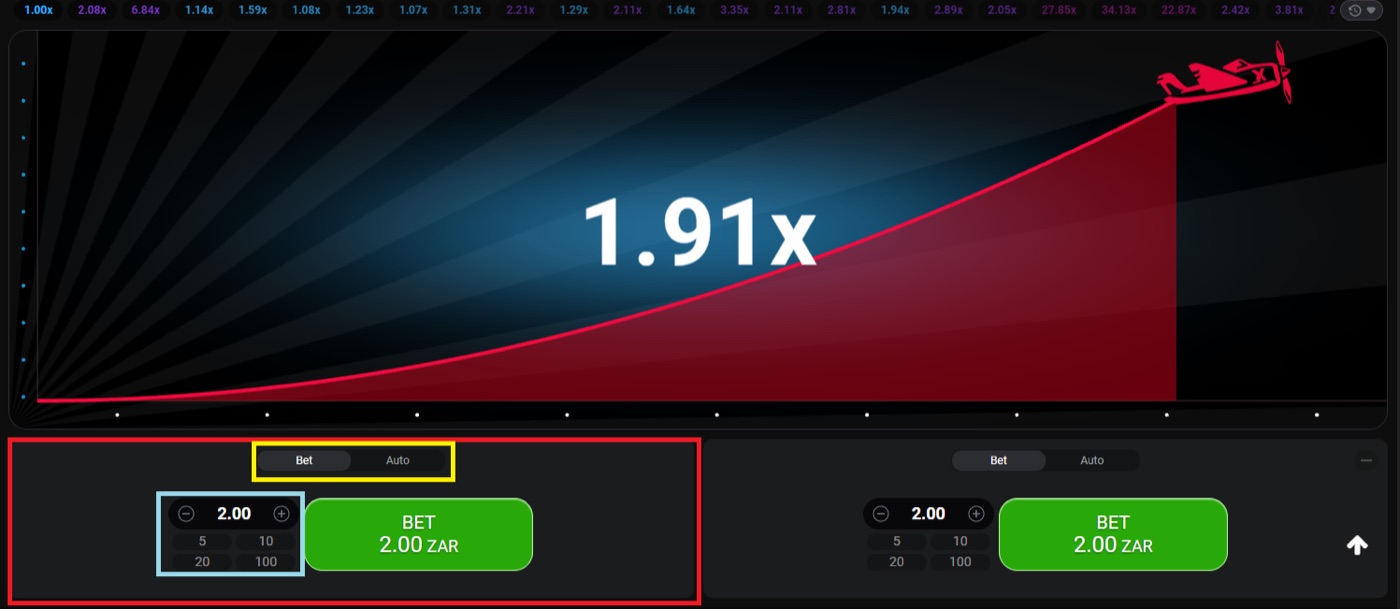
The desktop view shows a round at 1.91x with two separate bet panels.
The game does not need a standalone Spribe app. There is no standalone official Aviator app from Spribe; Aviator runs inside a licensed operator’s website or app. Third-party applications using names such as Aviator Predictor are not the game service and may contain virtual coins, no-real-value disclaimers, or advertisements.
A player using a budget phone should distinguish between three visible conditions:
- The multiplier display updates slowly, but taps still register promptly.
- The interface freezes, which points to a device or browser problem.
- The game disconnects or returns a time-out, which points to a connection or service problem.
These conditions can look similar on screen. The player should not treat a delayed animation as proof that the crash point changed. The server fixes the crash point before the round and uses the same result for all players in that round.
Practical connection checks
- Use a browser that supports the operator’s Aviator game.
- Close other pages or applications that use the device’s processing capacity.
- Keep the game visible while using manual cash-out.
- Check whether the game reconnects before placing another bet.
- Use demo mode to see how the interface behaves without a registration.
Demo mode exists through an operator demo and demo.spribe.io, and it needs no registration. It can help a player identify how the bet panels, Auto Cash-Out, round history, and cash-out button appear on a particular device.
Demo play cannot measure the exact latency of every real-money session. The operator’s website, the player’s connection, and the device can each change the time between a tap and server processing.
Settings and Connection Risk
Aviator has an RTP of 97% and a house edge of 3% at every cash-out target. The expected value is -3% of the stake at every target, so a lower target does not remove the edge.
Guides commonly discuss Auto Cash-Out at 1.5x-2x, but those settings change variance rather than the underlying probability model. Rounds are independent, and patterns or a graph cannot change the next round’s odds.
Some players use a split-bet approach with one bet at 1.5x-2x and another at 5x-10x. This arrangement changes how wins and losses are distributed, but it does not solve a delayed cash-out request.
A player may also see a recommendation to use no more than 2% of a bankroll per round, set loss and win limits, or begin in demo mode. These are risk-control practices from guides, not a way to improve the 3% house edge.
Martingale doubles the stake after each loss and reaches 1,024x the base stake after 10 losses. Guides warn against Martingale, Fibonacci, and D’Alembert because none of them beats the 3% edge.
When a player researches a crash game, multiplier, cash-out, stake, bookmaker, RTP, free bets, or deposit, the same server-timing issue remains relevant. A player may read aviator sportybet login information while comparing a bookmaker’s cash-out process, but the link does not change how Aviator sends requests to its server.
- Avoid treating a late screen update as a changed round result.
- Do not use a predictor to solve latency.
- Do not increase a stake to recover a time-out.
- Set a loss limit before playing.
- Stop when the preset limit is reached.
Players should only stake money they can afford to lose. A connection problem is a reason to stop and check the session, not a reason to chase the result.
Aviator FAQ
Aviator launched in early 2019, with its first live launch on Adjarabet in February 2019. The game uses server-side crash results and supports play through an operator’s website or app.
Aviator 2.0 released on 15 August 2019 and was 40% faster, lighter for slow connections, and designed for low-end phones. The following answers focus on slow connections, cash-outs, and the game mechanism.
Why did my Aviator cash-out time out?
A cash-out can time out when latency or a slow device delays the request. The request must reach the server before the crash, so a tap that appears on the screen may still arrive too late.
Can a slow connection change the crash point?
No. The crash point is fixed before take-off, and the server publishes a SHA-256 hash before each round. A slow connection can delay the display or the cash-out request, but it does not change the fixed result.
Is there an app that can predict Aviator?
No prediction app can determine the future crash point. Third-party Aviator Predictor applications are not the Spribe game, and version names such as Predictor v4.0, v8, or v12 are marketing names rather than Spribe products.
Can I play Aviator on a budget phone?
Yes. Aviator works in mobile browsers and was built for low bandwidth and budget devices. Aviator 2.0 is lighter for slow connections, but the device and network can still delay interface updates or cash-out processing.
Does Auto Cash-Out remove connection risk?
No. Auto Cash-Out uses a preset multiplier, but the instruction still has to be processed by the game service. It can automate the intended target, but it cannot guarantee that the server receives the request before a crash.
Can I check whether a round was fair?
Yes. After the round, the server and player inputs are revealed, and the verification tool inside the game can be used to check them. The Provably Fair system commits the result before the round starts.